GPT-6 Turns ChatGPT Answers Into Interfaces
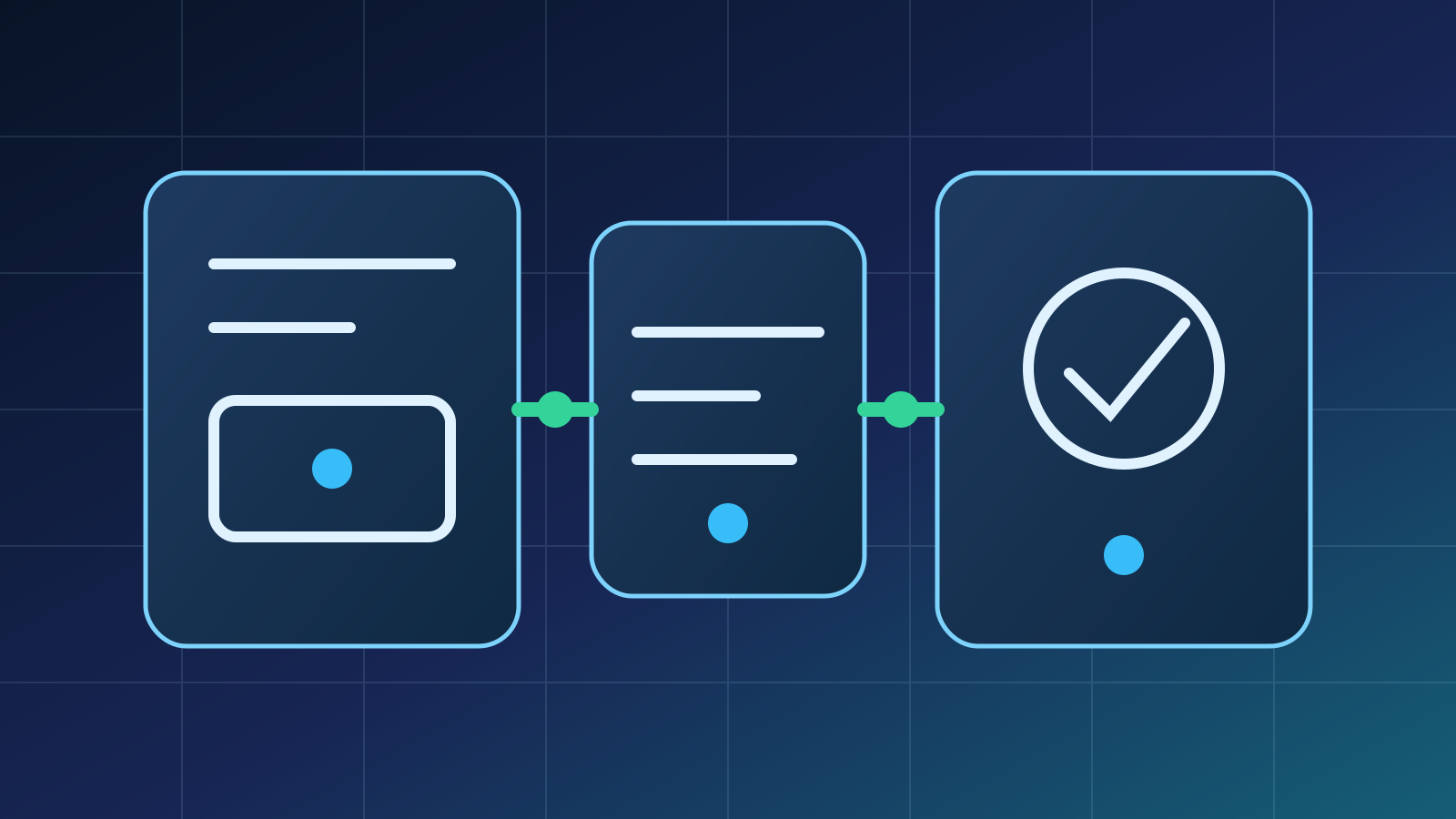
OpenAI is rolling GPT-6 and Intelligent UI into ChatGPT, allowing answers to include charts, forms, buttons, and task-specific interactive tools. For operators, the important change is not a new model label. It is that generated content can now look and behave more like software, making verification, provenance, and usability part of the deployment test.
Key Takeaways
- GPT-6 can generate interactive interfaces directly inside ChatGPT conversations.
- The rollout affects Chat, not the models currently powering Work or Codex.
- A polished control can still contain an incorrect assumption, calculation, or source.
- Operator posture: run a small test before standardizing interface-based workflows.
What did OpenAI actually release?
GPT-6 with Intelligent UI began rolling out globally to Plus, Pro, Business, and Enterprise users on October 7, with Free and Go access scheduled to follow October 8. Enterprise access depends on workspace administrator settings. OpenAI says the system can choose among text, graphics, charts, buttons, forms, and interactive tools, then stream those components into the conversation.
This is a Chat experience change. OpenAI explicitly says the models powering ChatGPT Work and Codex are not changing in this release. TechCrunch’s launch coverage similarly describes a broader visual and interactive response layer, not a proven replacement for business applications.
OpenAI also reports faster initial answers and stronger web-search performance in internal evaluations. Its deployment safety report classifies the new Sol and Luna variants as high capability in cybersecurity and biological or chemical domains. These are vendor-reported launch results, not evidence that a generated calculator, comparison, or form is reliable in a specific company workflow.
Why does a generated interface change the risk?
Text invites scrutiny. A clean chart, labeled button, or working calculator can feel finished even when its data, assumptions, or logic are wrong. The interface may compress caveats, hide intermediate steps, or make a generated recommendation easier to act on without checking the underlying source.
That does not make Intelligent UI unsuitable. It changes the acceptance test. Operators should treat each generated interface as an unverified view until users can inspect inputs, reproduce calculations, identify sources, and distinguish display controls from actions that affect external systems.
OpenAI’s enterprise privacy commitments cover ownership and control of business inputs and outputs. The launch announcement, however, does not explain whether administrators can govern Intelligent UI separately, how interactive state appears in exports or audits, or how consistently generated components meet accessibility requirements. Those are vendor questions, not reasons to assume failure.
The same principle applies to broader ChatGPT Work deployments and enterprise spend controls: presentation quality does not replace permission, evidence, or outcome controls.
How should operators test Intelligent UI now?
Run a small test with 20–30 low-risk tasks where the correct result is independently known: a budget comparison, policy lookup, schedule, or simple calculator. Include users with different roles and accessibility needs.
Score factual accuracy, calculation reproducibility, source visibility, caveat retention, keyboard and screen-reader usability, export quality, and the rate at which people act without opening supporting evidence. Keep consequential approvals and external write actions outside the test.
Watch next for administrator documentation, separate feature controls, audit and export behavior, accessibility guidance, and independent evidence that generated interfaces improve completion without increasing silent errors.
FAQs
Should enterprises disable GPT-6 in ChatGPT?
Not by default. Use administrator settings to control access, then test bounded workflows before making the new interface a standard operating tool.
Is Intelligent UI the same as a deployed business application?
No. It generates an interface inside a conversation. Reliability, integration, permissions, support, and change control still require separate evaluation.
Does GPT-6 replace the model in ChatGPT Work or Codex?
Not in this release. OpenAI says the rollout changes the Chat experience; Work and Codex continue using their previously released models.